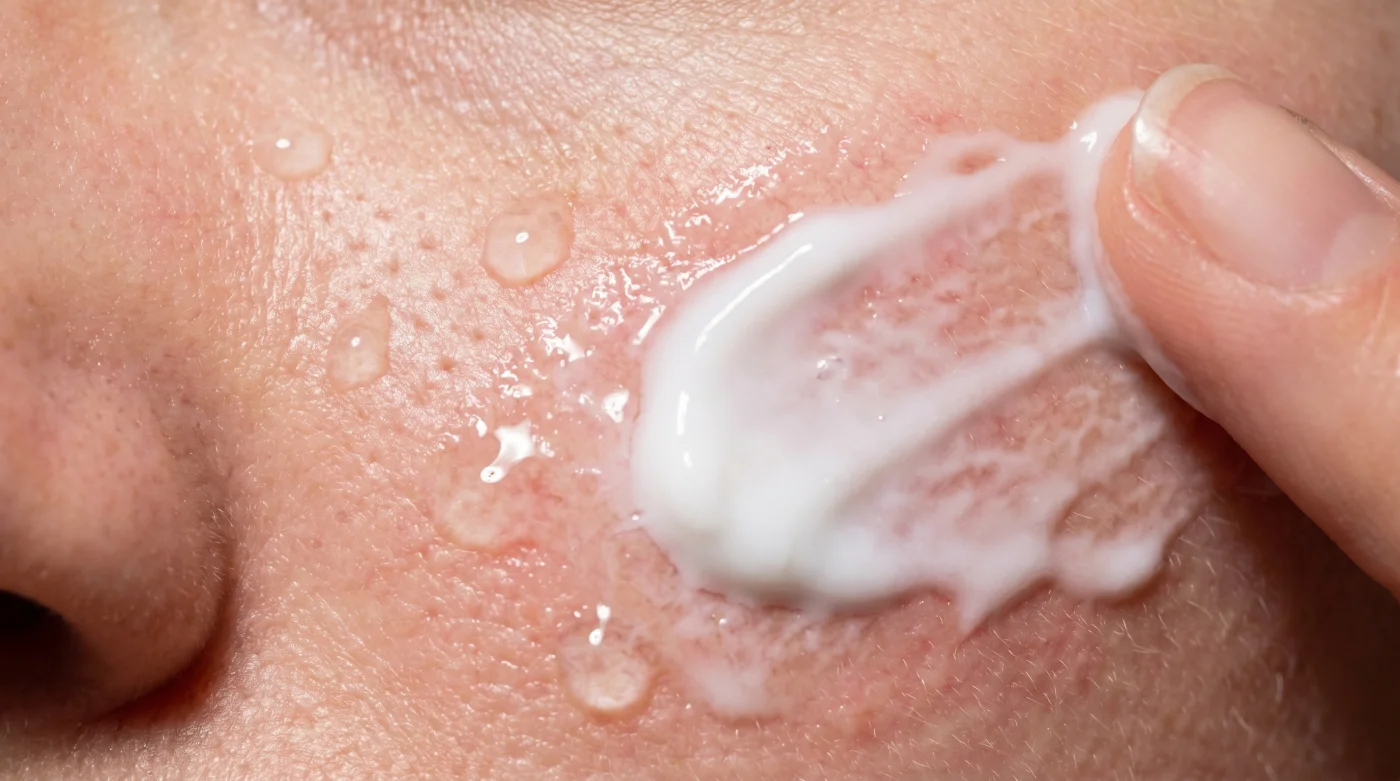
The bathroom mirror is still slightly fogged from the heat of the shower. You reach for your towel, patting away the heavy droplets of water while carefully keeping a gentle, dewy sheen on your cheeks. It feels right to move quickly in this moment. The common wisdom drumming in your head dictates that you must trap that precious hydration before it evaporates into the dry evening air.
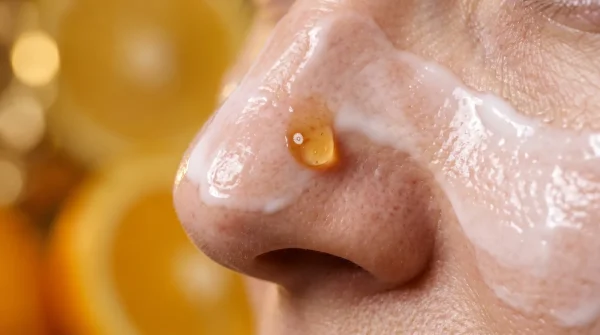
You twist open your retinol cream, smoothing the potent lotion over your damp forehead and jawline. It glides effortlessly, sinking into the pores with a satisfying, immediate slip. You expect a morning glow, assuming you have just maximized the efficiency of your most expensive skincare investment before heading to bed.
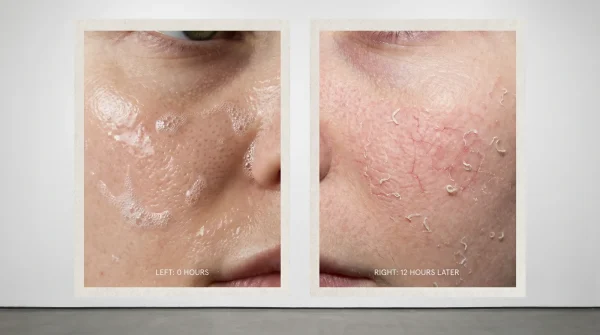
But under a microscopic lens, a completely different reality is unfolding. What feels like a harmless, soothing hydration hack is actually bypassing your skin’s natural defense systems. You are pulling aggressive active ingredients down into delicate cellular layers at a reckless, unmeasured speed.
By applying retinol to a wet canvas, you are turning a carefully measured treatment into an uncontrolled chemical flood. This accelerates invisible micro-tears, silently breaking down the structural integrity you are trying so hard to rebuild and mimicking the very aging process you are attempting to slow down.
The Moisture Multiplier Myth
Think of your skin barrier like a tightly woven linen shirt. If you place a drop of strong bleach on a dry piece of linen, the liquid sits on the surface, slowly processing the top fibers. It does its job exactly where you put it. But if that linen is soaking wet, the bleach races through the water tracks, bleeding instantly into the surrounding threads and weakening the entire fabric.
Water acts as an aggressive, highly efficient vehicle for skincare ingredients. While this is exactly what you want for a harmless, plumping hyaluronic acid serum, it is disastrous for a strong chemical exfoliator or a potent cell-communicating ingredient. Damp skin absorbs too fast, dragging the retinol past the tough upper epidermis straight into the vulnerable lower dermis where delicate nerve endings and capillaries reside.
The perspective shift happens when you realize that completely dry skin is not a disadvantage to be fixed, but a necessary biological buffer. That mundane feeling of a completely dry face—tight, bare, and waiting—is actually your greatest protection. It forces the retinol cream to release its active compounds slowly, breathing through a pillow rather than hitting your living cells like a direct electrical shock.
The Formulator’s Secret
Dr. Aris Thorne, a 54-year-old cosmetic chemist working out of a quiet Chicago formulation laboratory, watched this exact error play out repeatedly. He noticed his private clients were investing in his most refined, slow-release retinoids, yet returning a month later with tight, red, and distinctly crepey complexions. After sitting down and having them mime their exact evening routines in his office, the culprit became glaringly obvious. They were treating a potent biological trigger like a basic cold cream, slapping it onto shower-steamed faces without a second thought. Patience is the active ingredient, he told them, prescribing a strict, forced waiting period that transformed their complexions and restored their barrier in a matter of weeks.
Adjusting to Your Baseline
Not everyone’s evening looks the same, and the specific way you implement this dry-down period will depend entirely on how much your skin can naturally tolerate. Understanding your specific threshold allows you to manipulate the retinol cream safely, rather than letting the product manipulate you.
- Dermatologists warn against leaving Micellar Water on your face
- The nighttime routine mistake that destroys your Retinol Cream progress
- Dermatologists warn against leaving Micellar Water on your face
- The nighttime routine mistake that destroys your Retinol Cream progress
- The nighttime routine mistake that destroys your Retinol Cream progress
For the Purist, the routine is brutally simple and highly effective. You wash your face at the sink, pat it gently with a clean cotton cloth, and walk away from the bathroom mirror entirely. Wait until it feels tight, usually around three to five minutes, before applying a pea-sized amount of your treatment directly to the bone-dry surface.
For the Hydration Chaser, the tight feeling of bare skin is physically unbearable. This specific situation requires the popular sandwich method. Apply a very light, water-based moisturizer immediately after washing while the skin is still slightly damp. Then, wait ten full minutes for that base layer to dry completely down. Once the surface is entirely matte and dry to the touch, tap your retinol gently over the top.
For the Sensitive Soul, dealing with occasional rosacea or a history of easily provoked redness, the dry-down period must be intentionally extended. Fifteen minutes is your benchmark, allowing the skin’s natural oils to barely begin re-establishing themselves on the surface, creating a microscopic biological shield before the active cream ever makes contact.
The Bone-Dry Protocol
Mastering this evening application is less about adding complicated steps and more about practicing deliberate, mindful pauses. You are stepping out of the frantic assembly line of your nighttime routine and treating the application with the profound respect a potent ingredient demands.
Follow these specific tactile cues to ensure your canvas is prepared correctly for the treatment:
- Wash your face with lukewarm water, avoiding extreme temperatures that provoke unnecessary vasodilation and flushing.
- Pat the skin with a soft towel until absolutely no visible droplets remain on the surface.
- Step out of the steamy bathroom entirely; the ambient humidity will prevent your skin from truly drying down.
- Touch the back of your hand to your cheek. If it feels distinctly cool to the touch, microscopic moisture is still evaporating.
- Once the skin feels room temperature and slightly taut, dispense exactly a pea-sized amount of the cream.
Your tactical toolkit requires nothing, save for a simple clock and a brief change of scenery. The ideal temperature for application is a standard 68 to 72 degrees Fahrenheit, completely free from lingering shower steam, allowing the skin barrier to normalize completely.
Reclaiming Your Evening Rhythm
Waiting for your face to dry might initially feel like an annoying delay when all you want to do is collapse under the covers. But this minor friction in your evening serves a much greater purpose beyond mere cellular protection. It acts as a mandatory buffer between the exhausting chaos of the day and the deep rest of the night.
During those three to five minutes, you are forced to do something other than rush frantically toward the finish line. You fold a stray towel, you slowly brush your teeth, or you simply stand in the quiet hallway and take a breath. You stop fighting your skin’s natural boundaries and start quietly working alongside them.
Mastering this tiny, seemingly mundane detail entirely removes the anxiety of waking up to angry, peeling skin. You transform a rushed nightly chore into a precise, deliberate ritual, guaranteeing that the powerful cream you trust is finally allowed to do its restorative job exactly as nature intended.
The most expensive formulation in the world becomes a painful liability the exact second it is applied to a compromised, damp canvas.
| Key Point | Detail | Added Value for the Reader |
|---|---|---|
| Application Surface | Bone-dry skin versus damp skin. | Prevents rapid absorption and invisible micro-tears. |
| Wait Time | 3 to 5 minutes post-cleansing. | Ensures the delicate skin barrier is fully intact before actives hit. |
| Environment | Applying outside the steamy bathroom. | Stops ambient, heavy humidity from secretly re-wetting the face. |
Frequently Asked Questions
Why does my face burn when I apply retinol cream out of the shower? Water drives the active ingredients deep into the dermis too rapidly, causing an immediate inflammatory response.
Can I use a damp beauty sponge to apply the cream? No, all tools and fingers used for application should be entirely dry to prevent unwanted moisture transfer.
Does the sandwich method still work if my base moisturizer is wet? The base hydration layer must be bone dry before the active cream is applied, otherwise the bleeding effect still occurs.
How long exactly should I wait after washing my face? Three to five minutes is the minimum for normal skin, but sensitive types should wait up to fifteen minutes.
Will applying it to dry skin make the cream less effective over time? It makes the formula highly effective but safely regulated, preventing the damage that sets your progress backward.