You are standing at the bathroom sink at 11 PM. The exhaustion of the day sits heavy in your bones, and the thought of leaning over the basin for a soapy, splashy cleanse feels entirely out of reach. You grab the clear bottle from the shelf, soak a cotton round, and press it gently against your tired eyes. The makeup lifts away instantly, leaving behind a cool, damp sensation. The label clearly prints the words ‘no-rinse,’ so you toss the cotton pad in the trash, smooth your night cream directly over your damp cheeks, and collapse into bed.
It feels like a modern triumph of efficiency. Yet, beneath that initial sensation of fresh, bare skin, a quiet, microscopic reaction is already taking place. The chemistry that makes this transparent liquid so incredibly effective at grabbing waterproof mascara does not simply evaporate into the night air.
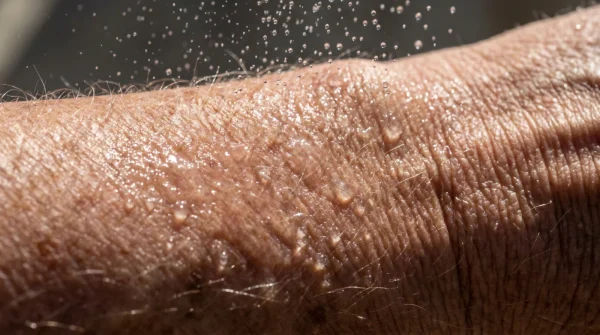
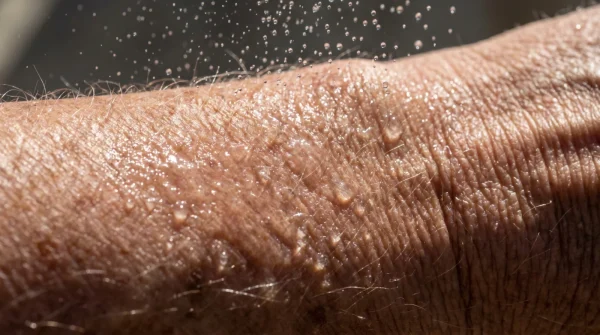
Instead, those active cleansing agents settle into the micro-fissures of your face. While you sleep, the very mechanism designed to dissolve dirt and oil continues its work, slowly breaking down the natural fats that hold your skin together. It is a common routine error, sold to you as a convenience.
The Detergent Illusion
To understand why skipping the sink is a mistake, you have to look at what micellar water actually is. It is not just purified water infused with gentle botanicals. It is a highly dilute solution of surfactants—the exact same category of molecules found in your dish soap and laundry detergent, merely formulated at a much milder concentration. These molecules form little spheres called micelles, which act like microscopic magnets, pulling oil, wax, and pollution out of your pores.
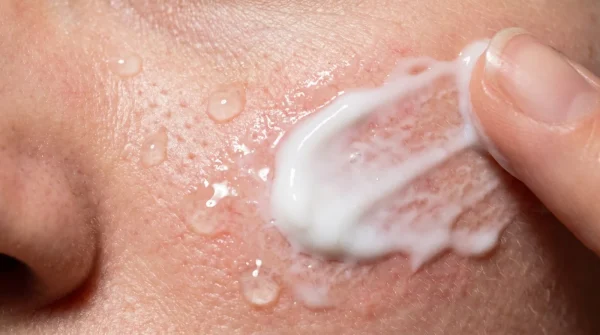
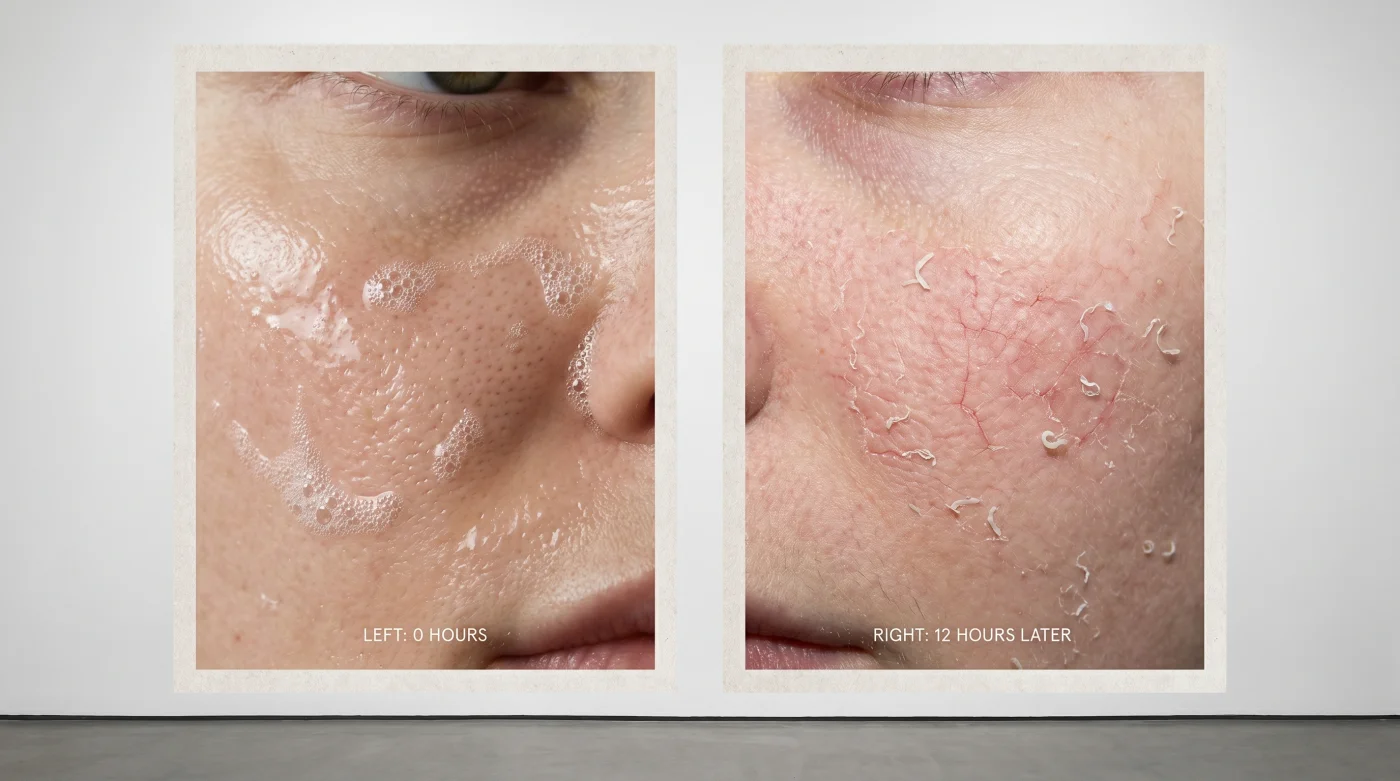
When you wipe the cotton pad across your face, you are depositing these active surfactant molecules directly onto your delicate acid mantle. If you do not wash them off, they remain active. Think of it like scrubbing a greasy frying pan with soapy water, wiping it with a paper towel, and putting it right back in the cupboard. The grease might be gone, but a film of soap remains. Leaving those surfactants on your face means they spend the next eight hours secretly dissolving your lipid barrier overnight.
Over time, this invisible residue strips away the ceramides and cholesterol your face desperately needs to hold onto moisture. Your skin begins to feel tight, look slightly flushed, and suddenly reacts to the expensive serums you have used for years without issue. You might blame the weather or a new product, completely unaware that the real culprit is the convenient cleansing water you use every single night.
Sarah Jenkins, a 42-year-old clinical esthetician in Chicago, began noticing a specific pattern among her clients. Women were coming into her treatment room with a condition she called ‘the lazy-girl compromise’—a distinct, low-grade inflammation paired with chronic dehydration. ‘They were spending hundreds on barrier-repair creams,’ she noted recently, ‘but their skin was always flaking around the nose and mouth. I would ask them to walk me through their evenings, and without fail, the root cause was an unrinsed micellar habit. They were effectively applying a dilute degreaser and leaving it to bake in under their moisturizers.’
Adjusting for Your Reality
Not all complexions react to this residual stripping at the same speed. The damage accumulates differently depending on how your sebaceous glands function and what you layer on top.
- Women over 40 are applying Vitamin C backward
- The nighttime routine mistake that destroys your Retinol Cream progress
- Dermatologists warn against leaving Micellar Water on your face
- Women over 40 are applying Vitamin C backward
- The nighttime routine mistake that destroys your Retinol Cream progress
- Dermatologists warn against leaving Micellar Water on your face
- Women over 40 are applying Vitamin C backward
- The nighttime routine mistake that destroys your Retinol Cream progress
- Dermatologists warn against leaving Micellar Water on your face
- Women over 40 are applying Vitamin C backward
For the Sensitized Complexion
If your cheeks flush easily or you battle occasional rosacea, your lipid barrier is already compromised. Leaving surfactants on the surface guarantees a morning of heightened, uncomfortable redness. The residue acts as an irritant, keeping your immune response slightly triggered all night long. For you, removing the micellar water is not a suggestion; it is a physiological necessity.
For the Heavy Makeup Wearer
You rely on the cotton pad to take off long-wear foundation and waterproof SPF. Because you are using more product and more friction, the concentration of micelles left behind is significantly higher. Worse, if you apply heavy night creams over the unrinsed residue, you create an occlusive seal that forces the detergents deeper into the epidermis.
For the Gym Goer
You keep a bottle in your gym bag to wipe off sweat before driving home. While this is better than letting dried sweat sit in your pores, the combination of a heated face, open pores, and left-behind cleansing agents can trigger micro-clogging. The surfactants emulsify the sweat but leave a sticky film that traps bacteria if not splashed away.
The Tactical Cleanse
You do not have to throw your micellar water in the trash. It remains an incredibly effective, gentle way to break down stubborn pigments. You simply have to shift how you sequence it within your bathroom time.
By treating it strictly as a makeup remover rather than a final cleanser, you protect your skin’s structural integrity. The adjustments are minor but deeply impactful.
- Saturate, do not drag: Soak the cotton pad fully. Press it gently against your closed eye or cheek for ten seconds. Let the micelles dissolve the makeup, rather than scrubbing it off with mechanical force.
- Follow with a water splash: At the absolute bare minimum, cup lukewarm tap water in your hands and splash your face three to four times after using the pad.
- Execute the true double cleanse: Use the micellar water as step one. Follow immediately with a gentle, hydrating cream or gel cleanser at the sink to wash away both the dissolved makeup and the lingering surfactants.
- Pat dry mindfully: Use a clean, soft towel to press the moisture out of your skin, rather than rubbing. Apply your serums while the skin is still damp from the clean water, not the micellar fluid.
The tactical toolkit for this is simple: A stack of unbleached cotton rounds, your preferred micellar formula, and access to lukewarm running water. The temperature matters—water that is too hot will strip the oils you are trying to protect, while freezing cold water fails to properly rinse away the detergent residue.
The Return to Baseline
Changing this one minor habit shifts your entire relationship with your evening routine. When you stop relying on chemical shortcuts, you stop playing catch-up with barrier-repair treatments.
There is a profound peace of mind in knowing exactly how your products function. Your night cream finally gets to do its actual job, plumping and hydrating a clean, receptive canvas, rather than fighting through a layer of active degreasers. You wake up to skin that feels resilient, calm, and naturally balanced.
You realize that true skincare is not about finding magic liquids that do all the work for you. It is about understanding the mechanics of what you are putting on your face, and respecting the delicate biological boundary that protects you from the world.
‘The goal of cleansing is removal, not replacement. If you leave the cleanser on the skin, you haven’t finished the job.’
| Key Point | Detail | Added Value for the Reader |
|---|---|---|
| The ‘No-Rinse’ Myth | Micellar water contains surfactants that act like dilute dish soap on the skin. | Prevents chronic, unexplained dehydration and redness from daily use. |
| Night Cream Sabotage | Applying moisturizer over unrinsed micelles forces detergents deeper into the epidermis. | Maximizes the value and effectiveness of your expensive nighttime serums. |
| The Tactical Fix | Treating micellar liquid strictly as a makeup remover, followed by a proper water rinse. | Restores a damaged lipid barrier without needing to buy new, costly repair creams. |
Frequently Asked Questions
Does this apply to all brands of micellar water?
Yes. Regardless of the botanical extracts or soothing claims on the front label, the underlying chemistry requires surfactants to work. All of them should be rinsed off.What if I just use a toner afterward?
Sweeping a toner over the top with another cotton pad will remove some residue, but it often just smears the surfactants around. A dedicated splash of water is much more effective.Can leaving it on cause breakouts?
Absolutely. The leftover film can trap dead skin cells and environmental debris, creating an ideal environment for localized inflammation and minor breakouts.Is micellar water bad for you?
Not at all. It is a fantastic, gentle makeup remover when used correctly. The issue is entirely in the application method, not the product itself.How long will it take my barrier to recover once I start rinsing?
If the unrinsed residue was the primary culprit, you will typically notice a reduction in tightness and flaking within about four to five days of proper rinsing.