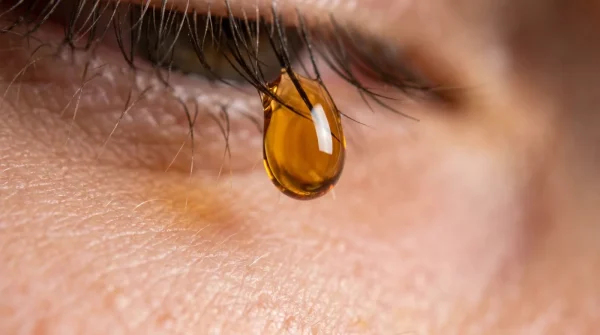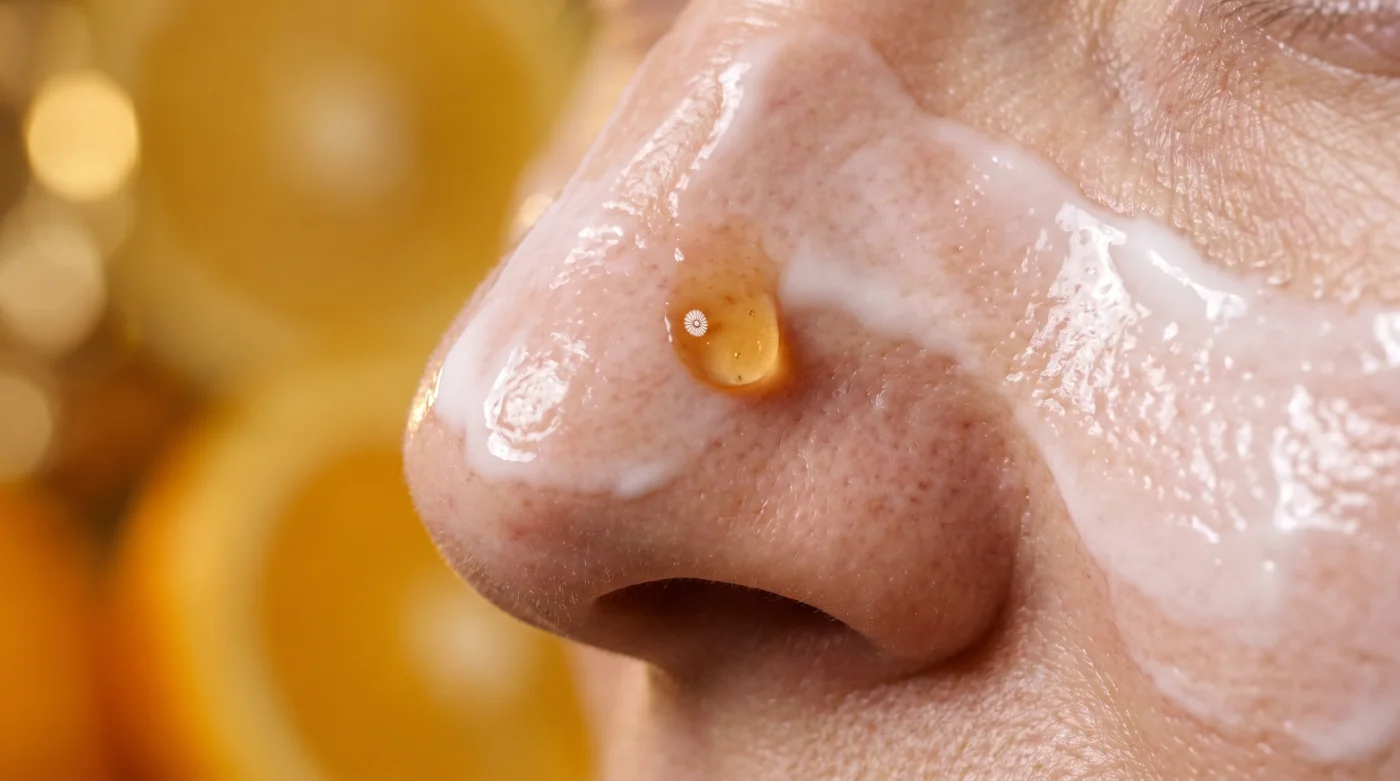
The morning light hits the bathroom mirror, catching the faint citrus scent of your favorite morning ritual. You uncap the little dark glass dropper bottle, watching the amber liquid catch the light. For years, you have followed the golden rule of skincare, dutifully pressing the serum into bare, freshly washed skin. It feels right. It feels like you are feeding your face the nutrients it craves before sealing it all in.
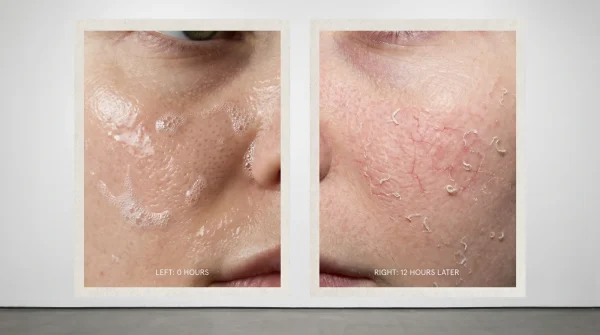
But if you pay attention to the faint stinging, or the way your complexion sometimes looks slightly orange by mid-afternoon, a different story emerges. You are literally burning your most expensive product before it even has a chance to work. The “thinnest to thickest” rule has been drilled into our heads so effectively that questioning it feels like breaking a fundamental law of physics.
In the quiet corners of formulation labs, however, chemists operate by a completely different set of rules. They do not look at texture; they look at volatility. As we age past forty, our skin barrier becomes more demanding, requiring precision over blindly following standard instructions. The reality is that your bare skin is a harsh, reactive environment for one of the most unstable molecules in the beauty industry.
The Armor Before the Active
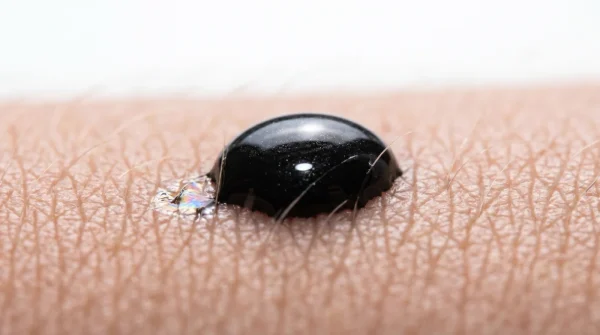
Imagine setting a freshly cut apple on a sunny kitchen counter. Within minutes, the flesh turns brown, the crisp edges soften, and the vitality of the fruit vanishes into the air. This is oxidation, and it is exactly what happens when you spread a delicate ascorbic acid serum directly onto naked skin. By laying down a protective breathable mesh layer of moisture first, you halt this decay instantly.
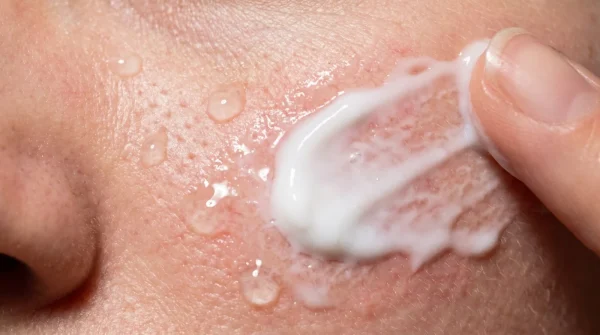
The secret lies in treating your moisturizer not as a final sealant, but as a strategic buffer. When you lay down a thin layer of hydration first, you create a stable environment. Applying the serum backward—tapping it gently over your lotion—actually traps the active ingredients against your skin. The cream acts like a cushion, preventing the room’s oxygen from stealing the potency of your serum.
Consider the daily routine of Dr. Elena Rostova, a 52-year-old cosmetic chemist based in humid Miami. For a decade, she formulated high-end brightening treatments for luxury brands, yet struggled with her own ruddy, reactive cheeks. One Tuesday, while reviewing stability tests under a microscope, she realized the lipid bases in the lab were actively shielding the delicate active molecules from air exposure. She stopped applying her serum on bare skin that very morning. By massaging her ceramide cream in first, then pressing the serum over the top, her redness subsided within a week. The active ingredients finally had a safe harbor to do their job.
Adjusting for Your Morning Rhythm
Not every face responds to this backward method in the exact same way. How you handle the buffer depends entirely on the specific climate of your bathroom and the current state of your moisture barrier.
Mastering this technique means understanding your skin’s shifting temperament and adjusting your base accordingly. Your lotion is the control valve for how fast the vitamin absorbs.
- Clinical study exposes forever chemicals hiding in Waterproof Mascara
- Major retailers abruptly pull popular Talcum Powder cosmetics from shelves
- The bedtime supplement that completely changes morning skin texture
- Professional makeup artists never blend Liquid Concealer immediately
- The pantry staple that replaces high-end brow serums
- The 30-second morning facial release that acts like free Botox
- The nighttime routine mistake that destroys your Retinol Cream progress
- Dermatologists warn against leaving Micellar Water on your face
- The $10 pharmacy staple that outperforms luxury Hyaluronic Acid after 50
- Women over 40 are applying Vitamin C backward
For the Dry and Reactive
If your cheeks feel tight the moment you step out of the shower, your barrier is asking for immediate comfort. Apply a rich, ceramide-heavy cream while your skin is still slightly damp. Give it three full minutes to settle. The cream should tremble slightly under your touch, feeling plump but not slippery. Then, press three drops of your serum into the palms of your hands and pat it firmly over the crests of your cheekbones and jawline. The serum will slowly percolate through the lipid barrier without shocking your system.
For the Sun-Damaged Strategist
Perhaps you are dealing with stubborn dark spots from years of coastal summers. This specific type of localized hyperpigmentation demands sustained, slow delivery mechanisms rather than a quick flash of absorption. Opt for a lightweight, water-based lotion first. This provides just enough of a buffer to halt oxidation without completely blocking the serum’s path. Once the lotion feels like breathing through a pillow—soft but porous—massage the active serum directly onto the areas with the most hyperpigmentation. This creates a slow-drip effect, keeping the molecules active for hours longer than they would be on bare skin.
The Tactile Application Method
Flipping your routine requires a shift in how you handle your products. You are no longer just rubbing liquids onto your face; you are strategically layering a protective ecosystem.
Follow these specific, deliberate and mindful morning steps to ensure the backward method actually locks in the benefits without causing the formulas to pill or separate on your face.
- Cleanse with lukewarm water, exactly 85 degrees Fahrenheit, to avoid stripping your natural oils.
- Smooth a dime-sized amount of your daily moisturizer onto damp skin, moving from the center of your face outward.
- Wait precisely two minutes. The surface should feel tacky, like the back of a sticky note.
- Warm three drops of the serum between your fingertips to bring it to body temperature.
- Press, do not rub, the serum over the moisturizer, holding your hands against your cheeks for five seconds.
Your tactical toolkit for this method is beautifully simple. You need a reliable clock to time your two-minute buffer wait, a moisturizer with a solid lipid profile, and hands warm enough to melt the serum into the protective layer. No vibrating wands or jade rollers required.
Reclaiming the Morning Mirror
Mastering this simple inversion is about more than just fading a sun spot or stretching the lifespan of an expensive bottle. It is about taking ownership of your routine. You finally stop blindly following standard instructions and start listening to the physical chemistry of your own face. The beauty industry profits from our confusion, selling us more products to fix the irritation caused by the products we just bought.
When you learn to buffer your most volatile ingredients, the morning mirror stops being a place of frustration. You no longer worry about stinging or redness. You walk out the door knowing that the active molecules are safely tucked beneath a protective blanket, quietly working away while you go about your day. It is a small rebellion against the standard advice, but one that brings a deep, lasting peace of mind.
“By reversing the application of volatile antioxidants, we change the environment from a hostile battlefield to a controlled, slow-release greenhouse.”
| Key Point | Detail | Added Value for the Reader |
|---|---|---|
| Serum First (Traditional) | Rapid oxidation on bare skin, high risk of irritation | None. Often leads to wasted product and redness. |
| Moisturizer First (The Buffer) | Creates a lipid shield preventing oxygen exposure | Zero irritation, prolonged brightening effects all day. |
| Serum Over Cream (The Lock) | Slow-drip percolation through the barrier | Maximum financial value from your active ingredients. |
Frequently Asked Questions
Can this method cause the serum to pill or roll off?
Pilling only happens if you rub aggressively. By pressing and holding the serum over the cream, you bypass the friction that causes rolling.Will the active ingredients still penetrate the moisturizer?
Yes. Ascorbic acid is a small molecule that easily travels through a porous lipid layer, doing so at a safer, more sustained pace.Should I wait before applying my sunscreen?
Give the serum layer about three minutes to fully settle into the cream before tapping your SPF over the top.Does this work for derivatives like Magnesium Ascorbyl Phosphate?
Derivatives are inherently more stable, but they still benefit greatly from the slow-release buffer of a moisturizer first.Can I use this backward method at night?
While you can, these antioxidants are primarily designed to fight daytime free radicals. Save your evening routine for restorative hydration.