You stand under the warm, dim light of your bathroom mirror at 10 PM, unscrewing a tiny, frosted glass tube that costs roughly the same as your monthly water bill. The microscopic synthetic brush sweeps a watery, alcohol-scented film across your brow bone. You wait for the stinging to subside, trusting the clinical packaging that promised you thicker, fuller arches in just four weeks.
But the truth sitting inside those expensive little vials often tells a different story. The beauty industry has successfully convinced us that waking up dormant hair requires a highly complex, chemical intervention. We buy into the illusion that a long list of unpronounceable peptides is the only valid solution to over-plucked skin.
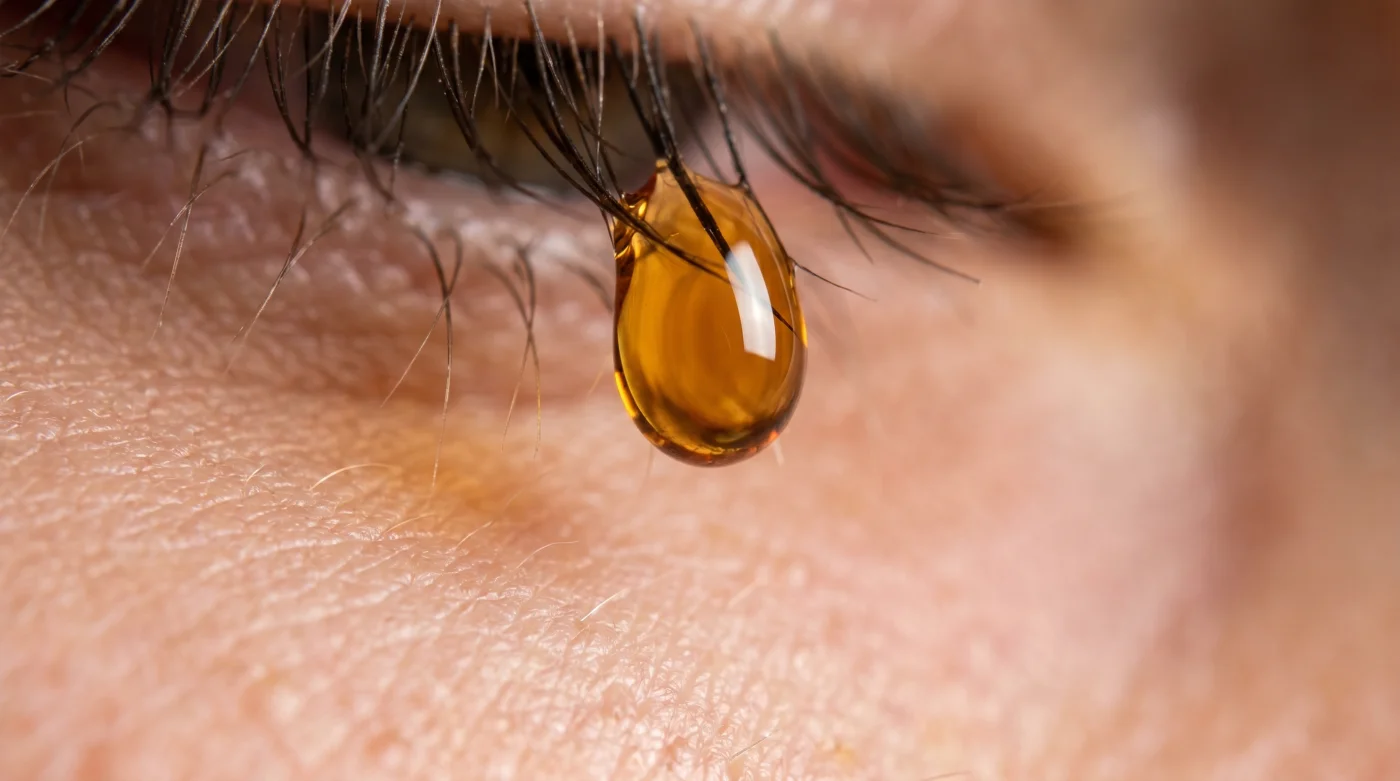
If you step away from the vanity and open your pantry door, you will likely find a heavy, amber bottle hiding behind the baking supplies. Castor oil pours like warm honey, thick and viscous. It doesn’t evaporate into the air within seconds; it coats the skin with a heavy, protective gloss that feels almost medicinal.
This unassuming, single-ingredient liquid holds a biological advantage that most synthetic serums desperately try to mimic. By relying on a specific, naturally occurring fatty acid, pure castor oil forces the hair follicle out of its resting phase without the abrasive side effects of synthetic preservatives.
The Perspective Shift: From Chemical Illusion to Biological Reality
The core misunderstanding of brow growth is treating the hair like a houseplant that just needs a splash of chemical fertilizer. Synthetic brow serums usually rely on prostaglandin analogs—compounds that artificially extend the growth phase of the hair. While they can work temporarily, they frequently bring unwanted baggage: darkened skin around the eyes, severe dry eye, and brittle hairs that snap the moment you stop buying the serum.
Instead of tricking the follicle, you need to repair the soil. The heavy, golden viscosity of castor oil is packed with ricinoleic acid, a rare omega-9 fatty acid. This specific acid deeply penetrates the epidermal layer, binding to the prostaglandin receptors in a way that increases localized blood circulation naturally. It acts like a deep-soil irrigation system, feeding the root exactly what it needs to rebuild its own structural integrity.
When you massage this thick oil into the brow bone, you are not just painting a superficial layer of vitamins over dead hair. You are creating a semi-occlusive barrier that locks in the body’s natural hydration while the ricinoleic acid goes to work, reducing the hidden micro-inflammation that keeps your hair follicles trapped in a state of dormancy.
The Botanical Formulator’s Secret
Consider the reality of Elena, a 46-year-old cosmetic chemist based in Portland, Oregon. For almost a decade, her job was to reverse-engineer high-end lash and brow serums for luxury brands. She spent her days mixing isolated peptide strains into bases of drying denatured alcohol, watching as the formulas became more expensive and less effective. The industry’s best-kept secret, she realized, was synthesizing compounds that nature already provided.
“I was formulating $130 serums all day,” Elena noted, “but at night, I was rubbing raw, cold-pressed castor oil onto my own sparse, 90s-plucked brows.” Once she stopped stripping her skin with alcohol-based serums and switched entirely to the raw pantry staple, her brow tails finally grew back thick and dark. She left the synthetic lab shortly after to focus strictly on botanical lipids.
- The 30-second morning facial release that acts like free Botox
- The nighttime routine mistake that destroys your Retinol Cream progress
- Dermatologists warn against leaving Micellar Water on your face
- The $10 pharmacy staple that outperforms luxury Hyaluronic Acid after 50
- Women over 40 are applying Vitamin C backward
- Major retailers abruptly pull popular Talcum Powder cosmetics from shelves
- The bedtime supplement that completely changes morning skin texture
- Professional makeup artists never blend Liquid Concealer immediately
- The pantry staple that replaces high-end brow serums
- The 30-second morning facial release that acts like free Botox
Adjusting the Dose for Your Skin Ecosystem
Castor oil is incredibly rich, which means it demands a bit of respect when applied to the delicate skin around your eyes. Treating it like a watery lotion will only lead to heavy, clogged pores. You must adapt its application to the unique climate of your own face, respecting the power of its dense viscosity.
For the Breakout-Prone
If your skin naturally produces excess sebum, applying raw, undiluted castor oil might feel like suffocating your pores. To gain the benefits of ricinoleic acid without triggering a breakout, cut the heavy oil with a carrier. Mix one drop of castor oil with three drops of lightweight jojoba oil in the palm of your hand before applying. This simple dilution strategy mimics your natural sebum while still delivering the active fatty acids directly to the root.
For the Over-Plucked Purist
If your brows have been subjected to decades of waxing, threading, and aggressive tweezing, the skin underneath is likely damaged and dry. You need the undiluted strength of the oil. Warm a single drop between your ring fingers until it softens, then press it firmly into the brow bone, moving against the direction of hair growth to ensure the oil coats the skin, not just the existing hairs.
The Nightly Botanical Ritual
Moving from an expensive, highly engineered serum to a raw botanical requires a shift in your evening habits. You are no longer mindlessly swiping a chemical applicator. You are engaging in a deliberate practice of skin nourishment. Gather your tools before you begin. You want cold-pressed, hexane-free castor oil stored in a glass bottle, as plastic can leach endocrine disruptors into the oil over time.
Follow this exact tactile sequence to maximize the stimulation of those dormant follicles. A mindful application requires nothing more than clean hands and a dedicated minute of your time:
- Wash your face thoroughly with a gentle cleanser to ensure no makeup or SPF blocks the oil’s penetration.
- Place exactly one drop of castor oil on the back of your non-dominant hand to serve as your palette.
- Take a clean bamboo spoolie (or a washed mascara wand) and roll it lightly through the drop of oil until barely coated.
- Brush the spoolie backward through your brows, starting from the tail and moving toward the nose, depositing the oil directly onto the skin.
- Flip the spoolie and brush the hairs back into their natural shape, smoothing the oil down to the tips.
Tactical Toolkit:
- Temperature: Room temperature, ideally warmed slightly by your own body heat.
- Time: Leave on overnight; the heavy texture needs a full 6 to 8 hours to penetrate the epidermis.
- Tools: 1 clean bamboo spoolie, 1 drop of cold-pressed castor oil, a soft cotton towel for morning removal.
This physical interaction with the product forces you to slow down. You are physically pressing blood into the brow bone, waking up the dormant circulation that is just as vital as the oil itself.
Beyond the Arch
Reclaiming your beauty routine from the grip of expensive, synthetic fixes does more than just save you money. It shifts your relationship with your own body. When you stop relying on unpronounceable chemical compounds to fix perceived flaws, you begin to trust the profound efficiency of the natural world.
The thick, golden drop of castor oil sitting on your bathroom counter is a quiet rebellion. It reminds you that true biological repair takes patience, friction, and raw materials. Your sparse brows are not a medical condition requiring a laboratory intervention; they are simply a dry garden waiting for the right kind of rain. You already have exactly what you need to make them grow.
“Nature rarely rushes, yet it produces the strongest structures; trust the raw, unrefined lipid to do what the synthetic replica only pretends to accomplish.”
| Key Point | Detail | Added Value for the Reader |
|---|---|---|
| The Active Compound | Pure Ricinoleic Acid vs. Synthetic Prostaglandins | Prevents the darkening of eyelid skin associated with chemical serums. |
| The Base Texture | Heavy lipid barrier vs. Denatured alcohol base | Conditions the actual hair shaft to prevent snapping while stimulating the root. |
| The Financial Impact | $10 per year vs. $120 per month | Frees up your budget without compromising on real, biological results. |
Frequently Asked Questions
Will castor oil make my eyebrow hair grow instantly?
No botanical works instantly. You are rebuilding the health of a dormant follicle, which typically requires 8 to 12 weeks of consistent, nightly application to see visible thickening.Does it have to be cold-pressed?
Yes. Heat extraction destroys the delicate ricinoleic acid and often uses chemical solvents like hexane, which you want to keep far away from your delicate eye area.Can I use it on my eyelashes, too?
Absolutely, but with extreme caution. The oil is dense and can migrate into the eye, causing temporary blurry vision. Apply only a microscopic amount to the lash line using a fine-tipped brush.Will this cause acne around my eyebrows?
If you apply too much, it can. Stick to a single drop for both brows, and if you are acne-prone, dilute it with a non-comedogenic oil like jojoba or squalane.How do I wash it off in the morning?
A standard gentle morning cleanser and warm water will easily break down the remaining oil. Avoid scrubbing harshly, as you want to protect the newly conditioned hairs.