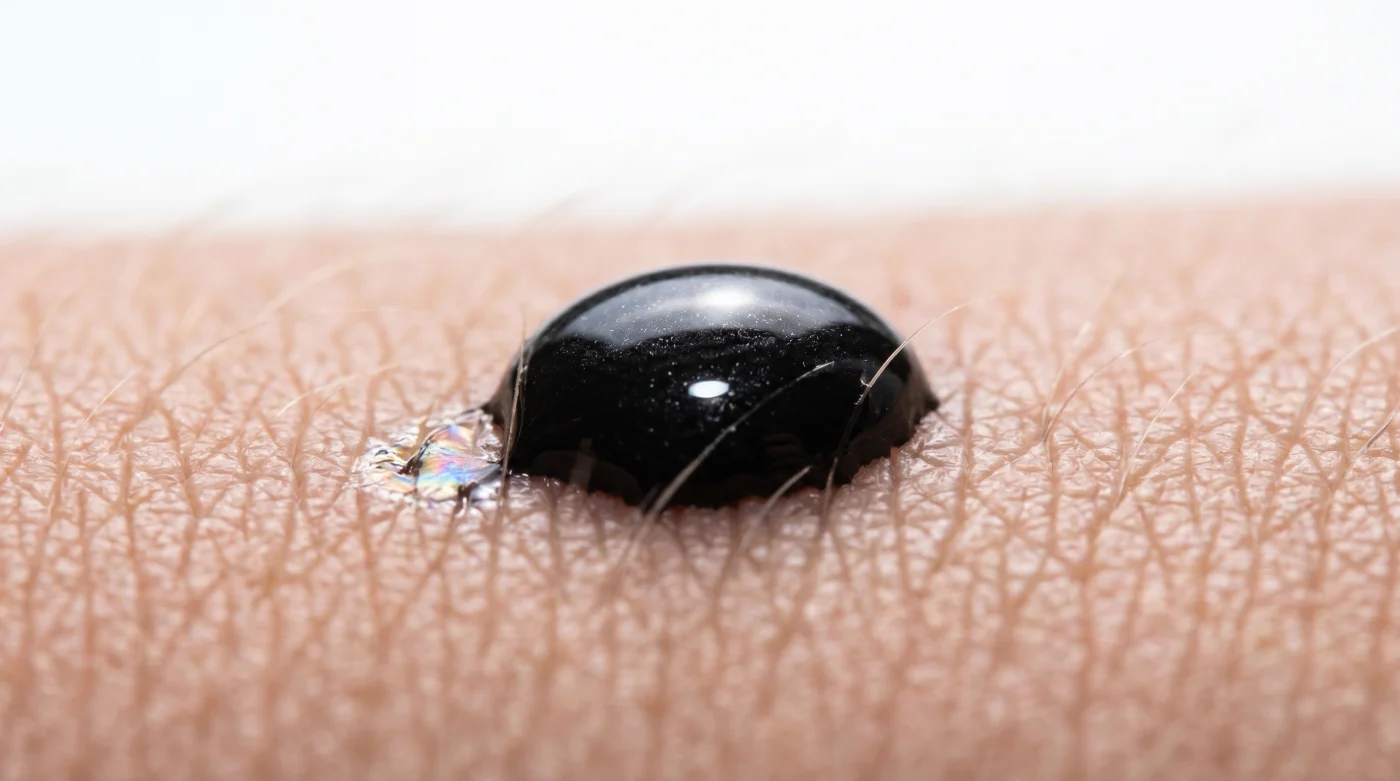
There is a specific quiet to the morning vanity ritual. The soft, satisfying click of a mascara wand unscrewing from its heavy, frosted tube. You pull the bristled spoolie through the dark, viscous formula, trusting it to hold a curl through humidity, unexpected rain, and a demanding ten-hour shift. That stubborn, unyielding hold is exactly what we pay for at the luxury counter, handing over forty dollars for a tiny vial of confidence.
We naturally assume that a steeper price tag buys an invisible shield of safety. The glossy allure of the beauty counter relies on a silent contract, where you trust that those high-end cosmetic formulations are vetted, clean, and meticulously engineered for your well-being. If it comes in a weighted gold tube, it must be safe.
Recent independent clinical testing just ruptured that quiet confidence. A groundbreaking analysis exposed that three major luxury lash brands have been harboring unregulated PFAS—widely known as forever chemicals—within their darkest, most resilient pigments. The secret to that flawless, tear-proof finish is not a miraculous natural wax; it is a synthetic, fluorinated bond that refuses to break down, whether it sits on your lash line or filters into the local water supply miles away.
The Illusion of the Ironclad Lash
Creating a truly waterproof cosmetic is a lot like trying to rain-proof a silk thread. You have to coat something incredibly delicate with a barrier that violently repels moisture. For years, the industry leaned on carnauba and beeswax, which offered a gentle, breathable resistance. But as consumer expectations shifted toward impossibly long-wear claims, formulators sought out industrial-strength solutions. The perspective shift here is uncomfortable but necessary: that indestructible wear you love is actually a chemical liability.
When you coat your lashes with PFAS-heavy formulas, you wrap them in microscopic Teflon. It is wildly effective at repelling water and oil, but those fluorinated compounds do not simply disappear when you wipe your face at night. They linger on your skin, they migrate into your tear ducts, and they wash down the sink to persist in the environment for centuries. What we mistook for premium quality was actually a loophole in regulatory oversight.
Consider the experience of Elise Miller, a 44-year-old cosmetic chemist who spent fifteen years formulating for prestige beauty conglomerates before abruptly leaving the sector last year. ‘We were pressured to achieve a 24-hour hold that could withstand a literal monsoon,’ she recalls. ‘When natural plant waxes failed the extreme humidity tests, the laboratories quietly leaned into fluorinated compounds to hit those marketing benchmarks. Nobody wanted to talk about how those molecules behave once they sit against the delicate mucosa of the eye day after day.’
- Clinical study exposes forever chemicals hiding in Waterproof Mascara
- Major retailers abruptly pull popular Talcum Powder cosmetics from shelves
- Major retailers abruptly pull popular Talcum Powder cosmetics from shelves
- The bedtime supplement that completely changes morning skin texture
- The bedtime supplement that completely changes morning skin texture
- Professional makeup artists never blend Liquid Concealer immediately
- Professional makeup artists never blend Liquid Concealer immediately
- The pantry staple that replaces high-end brow serums
- The pantry staple that replaces high-end brow serums
- The 30-second morning facial release that acts like free Botox
Navigating the Smudge-Proof Spectrum
Understanding what is hiding in your makeup bag does not mean you have to surrender to raccoon eyes by noon. It simply means recalibrating how you define a high-performing product. The market is fracturing into safer alternatives, but you need to know how to read the labels and match the formula to your actual lifestyle needs.
For the Daily Office Worker: You likely do not need a waterproof shield; you need a water-resistant tubing formula. Tubing mascaras use safe, flexible polymers that wrap each lash in a tiny, shrink-wrapped protective sleeve. They hold beautifully through sweat and minor tearing, yet they slide off effortlessly with warm water and gentle friction. You get the benefit of indestructible wear without the toxic trace.
For the Performance Athlete: If you are swimming, running, or sweating heavily, look for clean resin-based alternatives. Some independent brands are successfully using pine-derived resins and advanced cellulose blends. They require a dedicated oil cleanser to remove, but they bypass the dangerous fluorinated chemistry entirely.
For the Purist: Embrace a little smudging. A traditional, wax-based mascara might require a touch-up with a cotton swab at 3 PM, but that tiny inconvenience is a fair trade for keeping forever chemicals away from your endocrine system. A soft, lived-in eye is historically chic, anyway.
Mindful Application and Removal
The danger of forever chemicals in mascara is twofold: the exposure during wear, and the aggressive friction required to take them off. Removing a heavily fluorinated waterproof mascara often involves tugging at the fragile skin of the eyelid, accelerating collagen breakdown. Shifting to a safer formula means your removal process becomes a restorative ritual rather than a wrestling match.
When transitioning to clean, water-resistant options, focus on gently dissolving the bond rather than scrubbing it away. Here is a tactical toolkit for safe removal:
- Warm your oil cleanser between your palms before pressing it over closed eyes.
- Hold your hands there for a slow count of fifteen, letting the body heat melt the waxes.
- Use a damp, warm microfiber cloth to sweep downward, never scrubbing side to side.
- Follow up with a gentle saline eye drop to flush any residual pigment from the tear ducts.
Redefining Resilience
We have been trained to view a makeup product’s worth by its ability to survive a marathon. But real resilience is not about applying an impenetrable chemical armor to your face. It is about choosing formulas that respect the biological reality of your skin and your environment.
When you swap a toxic waterproof mascara for a safer, thoughtfully crafted alternative, you make a quiet rebellion against an industry that prioritizes shelf-appeal over human health. You reclaim your morning routine, transforming it from an act of chemical exposure into a genuinely caring ritual. Your lashes might not survive a category-five hurricane anymore, but they will be healthier, softer, and entirely your own.
‘The moment we prioritize a product’s chemistry over our own biological safety is the moment beauty becomes a burden rather than a joy.’
| Key Point | Detail | Added Value for the Reader |
|---|---|---|
| The PFAS Problem | Luxury waterproof mascaras use forever chemicals for hold. | Protects your hormonal health by identifying hidden toxic exposure. |
| Tubing Technology | Polymers create tubes around lashes instead of chemical coats. | Offers sweat-proof wear that washes off cleanly with only warm water. |
| Mindful Removal | Using oil and body heat to melt makeup without friction. | Prevents premature aging and mechanical damage to the delicate eye area. |
Are forever chemicals listed on the ingredient label?
Rarely. They often hide behind proprietary blends or contaminate the product through treated raw materials, making independent testing the only true verification.How do I know if my current mascara is safe?
Check databases like the EWG (Environmental Working Group) or look for brands that explicitly offer third-party PFAS-free certifications.Is tubing mascara the same as waterproof?
No. Tubing mascara resists water and sweat mechanically, but breaks down with a combination of warm water and gentle physical friction.Can waterproof mascara cause lash loss?
Yes. The harsh chemical solvents needed to remove it, combined with the physical scrubbing, frequently cause mechanical breakage and lash fallout.Why do luxury brands still use these chemicals?
Consumer demand for extreme-wear performance pushes formulators to use the strongest, most resilient synthetic compounds available, regardless of long-term safety.