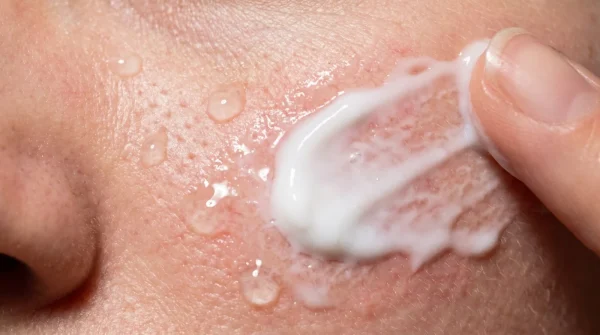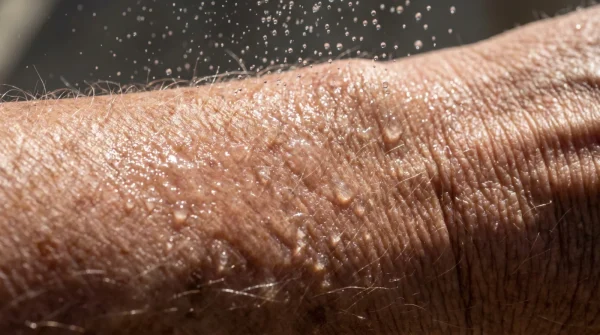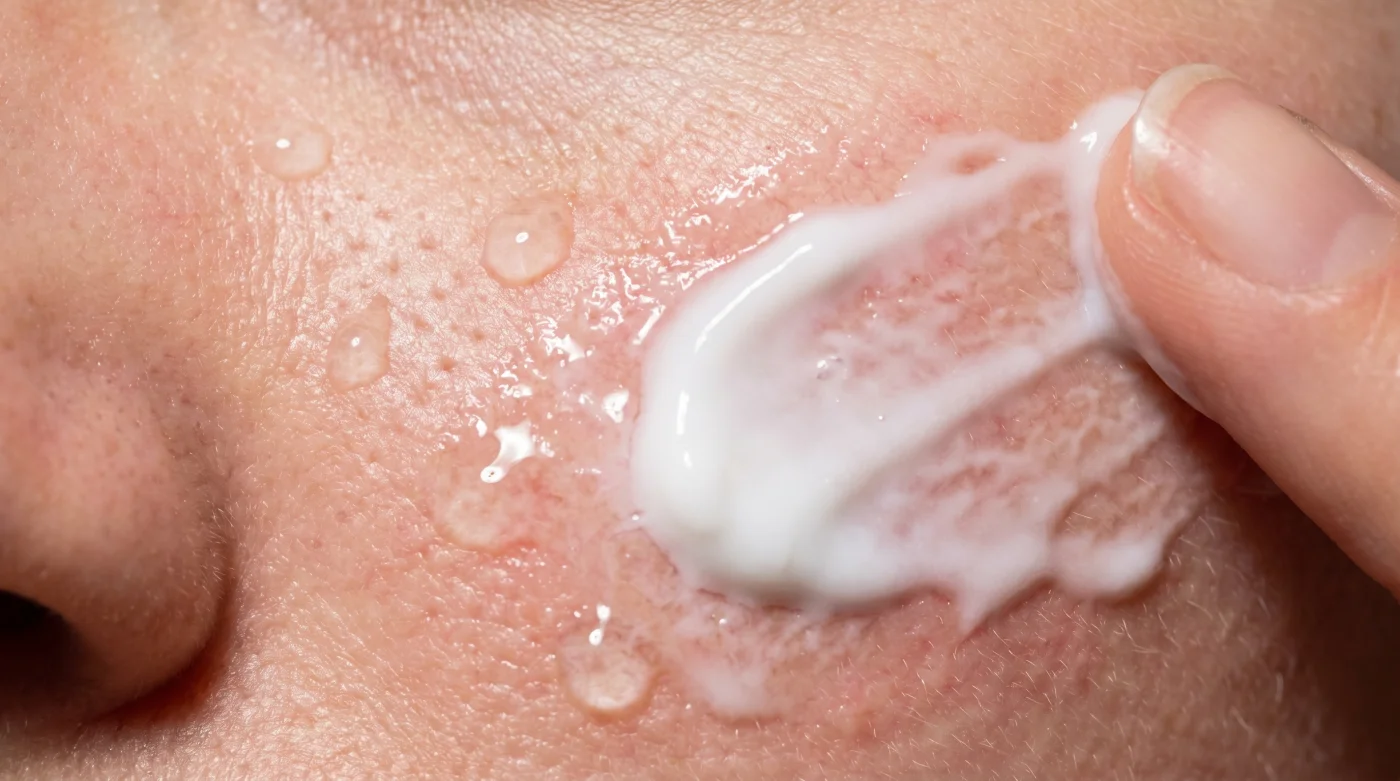
The bathroom mirror is slightly fogged, catching the amber light of the vanity. At ten o’clock at night, the house finally settles into silence, leaving just the soft hum of the ventilation fan and the quiet rhythm of your evening ritual. You have just washed away the grit of the day, leaving your face warm, plump, and glistening with a few stray water droplets. The scent of your cleanser still lingers in the warm air, signaling to your brain that it is time to wind down and prepare for sleep.
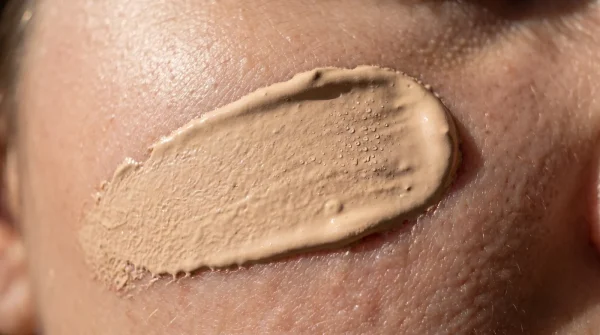
You reach for your retinol cream, driven by years of magazine advice telling you that damp skin acts like a thirsty sponge. It feels intuitive to lock in that water, pressing the golden-hued lotion into your cheeks before the bathroom air can steal the moisture away. You spread the cream generously, expecting it to mingle with the water droplets to create a plumping, hydrating mask that will work its magic while you rest.
But this seemingly harmless habit is quietly working against you. When it comes to vitamin A derivatives, the damp-skin rule doesn’t just fail; it actively betrays your complexion. Instead of plumping the surface, the water creates a volatile slipway, dragging the potent active deep into the delicate lipid barrier far faster than nature intended. The barrier of the skin is designed to be a slow filter, not an open floodgate.
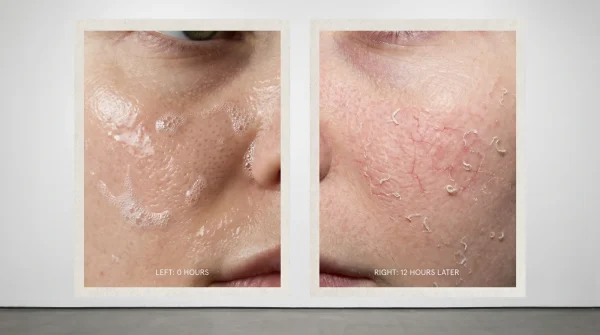
You might wake up to a tight, reddened face, wondering if the formula is simply too strong. The truth is much quieter. The product isn’t the enemy; it is the lingering moisture on your cheeks that turns a restorative overnight cream into an abrasive force. The dampness alters the pH and the delivery mechanism of the cream, turning a controlled treatment into a sudden shock to the delicate facial tissues.
The Silk Shirt and the Acid
Think of your skin barrier as a beautifully woven silk shirt. If you drop water on dry silk, it beads up and absorbs slowly. But if the silk is already soaking wet, a single drop of dark ink spreads violently, bleeding through the threads in a matter of seconds. Water lowers the surface tension and acts as a powerful penetration enhancer, which is wonderful for a mild hydrating serum but disastrous for cellular turnover agents.
When you apply a potent active to a wet face, the ingredient rushes into the pores rather than trickling in slowly. This rapid infiltration overloads the delicate cellular receptors. The skin simply cannot process the sudden demand to shed and regenerate cells, resulting in microscopic fissures beneath the surface. These are not visible scratches, but a systemic breakdown of the cellular glue that holds your complexion together.
These invisible micro-tears leave your face vulnerable to the very aging signs you are trying to prevent. Chronic, low-grade inflammation sets in, drawing blood to the surface and creating a persistent flush. Over time, this constant state of emergency response diverts energy away from building firmness and elasticity, leaving the tissue exhausted and visibly thinning.
The inflammation is not always obvious in the mirror immediately. It simmers quietly over weeks and months, quietly breaking down collagen fibers while you assume the occasional stinging is just a sign that the cream is doing its job. The reality is that true efficacy should not feel like a chemical burn; it should feel like nothing at all.
This invisible damage was something Elias Thorne, a 54-year-old cosmetic chemist based in Chicago, noticed while running clinical trials for high-potency overnight masks. His laboratory, smelling faintly of sterile alcohol and synthetic beeswax, became a testing ground for application methods. He watched participants with identical routines experience wildly different outcomes. The variable wasn’t their genetics or their age; it was their towel habits.
Elias spent months analyzing the inflamed, micro-torn skin of the damp-skin appliers under a high-powered dermatoscope. People were treating a strong cellular communicator like a basic humectant, Elias noted after reviewing the epidermal scans. He realized that the one instruction missing from the back of the jar, the one detail that could save thousands of faces from premature thinning, was a simple command to wait.
- Dermatologists warn against leaving Micellar Water on your face
- Dermatologists warn against leaving Micellar Water on your face
- The $10 pharmacy staple that outperforms luxury Hyaluronic Acid after 50
- The $10 pharmacy staple that outperforms luxury Hyaluronic Acid after 50
- Women over 40 are applying Vitamin C backward
- Women over 40 are applying Vitamin C backward
- Clinical study exposes forever chemicals hiding in Waterproof Mascara
- Major retailers abruptly pull popular Talcum Powder cosmetics from shelves
- The bedtime supplement that completely changes morning skin texture
- Professional makeup artists never blend Liquid Concealer immediately
Adjusting for Your Climate and Routine
Your environment dictates exactly how you should let your face dry. What works in a sticky Miami summer will leave you parched in a dry Denver winter. The goal is a bone-dry canvas, but the path there requires adaptation based on the air around you and the demands of your household.
If your bathroom mirror stays fogged for twenty minutes after a shower, towel drying isn’t enough. The ambient humidity keeps your skin saturated long after the towel has done its job. You need to physically step out of the bathroom into a climate-controlled room to allow the lingering water to evaporate entirely from your pores.
For those in arid zones where the air pulls moisture from your lips the second you step outside, waiting twenty minutes for dry skin might feel agonizingly tight. Here, the strategy shifts to a buffer layer. You cannot rely on ambient air without suffering severe trans-epidermal water loss, so you must use a lightweight lotion immediately, wait for that to dry, and then proceed.
If your evenings are chaotic, managing toddlers or scrambling to finish work emails, a twenty-minute waiting period might seem impossible. In this scenario, you adapt by building a deliberate protective buffer. Wash your face as soon as you get home, rather than right before bed. Let it dry naturally while you make dinner, then apply your active cream hours later when the house is finally still.
The Dry-Down Protocol
Fixing this aging error requires a shift in rhythm. You are no longer rushing from the sink to the vanity in a panic to trap moisture. Instead, you are building intentional, quiet pauses into the evening, treating your face with the meticulous care of an archivist preserving a delicate document.
This is where patience becomes a physical tool. By letting the skin return to its baseline state, you rebuild the natural defensive wall. The cream will still penetrate the lipid layer, but it will do so at a controlled, therapeutic drip rather than a destructive flood.
- Pat your face gently with a clean cotton towel. Do not drag or rub the fabric across your cheeks.
- Set a timer for exactly fifteen minutes. Use this time to brush your teeth, lay out your clothes, or read a chapter of a book.
- Touch the back of your hand to your cheek. It should feel cool, soft, and entirely devoid of tackiness or slip.
- Dispense a pea-sized amount of your retinol cream onto your ring finger.
- Tap the cream in small dots across your forehead, cheeks, and chin before blending gently to avoid piling in one spot.
The Tactical Toolkit: Aim for an ambient room temperature of 68 to 72 degrees Fahrenheit to prevent sweat from re-dampening the face. Keep your wait time strictly between 15 and 20 minutes; waiting longer than 30 minutes can lead to unnecessary dehydration before the cream is applied.
If your skin feels painfully tight during the wait, adjust your cleanser rather than rushing the cream. A harsh, stripping face wash is usually the real culprit behind that unbearable tightness, not the simple act of waiting for the skin to reach a dry state.
Reclaiming the Evening Pace
We are conditioned to think that faster is better, that cramming every lotion and potion onto a wet face will somehow trap our youth before it escapes into the night air. But true physical resilience resists being rushed. The body operates on its own timeline, requiring space and stillness to absorb what we offer it.
When you stop dragging powerful actives across a wet, compromised barrier, the morning redness fades entirely. The tightness softens into a comfortable plumpness. You begin to wake up to a face that feels resilient, rather than feeling raw.
The fifteen minutes you spend waiting for your face to dry aren’t wasted. They act as a physical boundary line between the chaos of the day and the quiet restoration of the night.
By respecting the physical limits of your complexion, you allow the ingredients to do the careful, meticulous work they were designed for. You stop fighting your own biology and finally let the evening routine become a place of genuine recovery.
The barrier of the skin is a delicate gatekeeper; forcing it open with excess water turns a cure into a crisis.
| Key Point | Detail | Added Value for You |
|---|---|---|
| The Sponge Effect | Damp skin absorbs products rapidly. | Prevents you from overloading cellular receptors. |
| The 15-Minute Rule | Wait for bone-dry skin before application. | Stops invisible micro-tears and chronic redness. |
| The Climate Shift | Adapt your wait time based on room humidity. | Ensures you do not suffer severe water loss in dry rooms. |
Frequently Asked Questions
Should I ever apply this cream to damp skin? No. While hydrating serums thrive on moisture, vitamin A derivatives require a dry canvas to prevent rapid, irritating absorption.
Does waiting reduce the effectiveness of the cream? Not at all. It simply slows the delivery rate, allowing the cells to process the active without triggering an inflammatory response.
What if my face gets too tight while I wait? This usually indicates your evening cleanser is stripping your natural oils. Switch to a gentle, non-foaming wash to maintain comfort during the dry-down period.
Can I use a fan to dry my face faster? It is better to let the water evaporate naturally. A fan can artificially strip the surface, leading to uneven dryness and potential dry patches.
Does this rule apply to over-the-counter formulas? Yes. Even milder, non-prescription formulas can cause micro-tears and redness if dragged across a wet, permeable barrier.